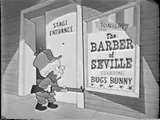
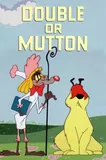
Bugs tries to indulge the audience in a bit of culture, such as in his own rendition of the opera, "The Barber of Seville", in spite of constant interruptions from Elmer Fudd.
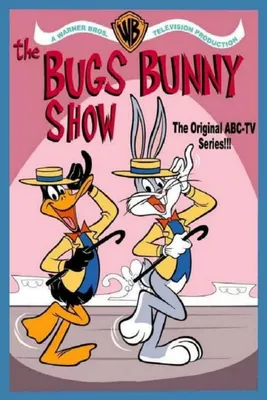
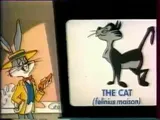
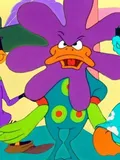
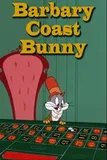
The Bugs Bunny Show The Bugs Bunny Show is an Animated television anthology series hosted by Bugs Bunny, that was mainly composed of Looney Tunes and Merrie Melodies cartoons released by Warner Bros. between August 1, 1948 and the end of 1969. The show originally debuted as a primetime half-hour program on ABC in 1960, featuring three theatrical Warner Bros. Cartoons with new linking sequences produced by the Warner Bros. After three seasons, The Bugs Bunny Show moved to Saturday mornings, where it remained in one format or another for nearly four decades. The show's title and length changed regularly over the years, as did the network: both ABC and CBS broadcast versions of The Bugs Bunny Show.
Regional listings, not a guarantee of subscription access.
The peaks and the valleys. Find the essential episodes — and the ones to skip.
Bugs tries to indulge the audience in a bit of culture, such as in his own rendition of the opera, "The Barber of Seville", in spite of constant interruptions from Elmer Fudd.
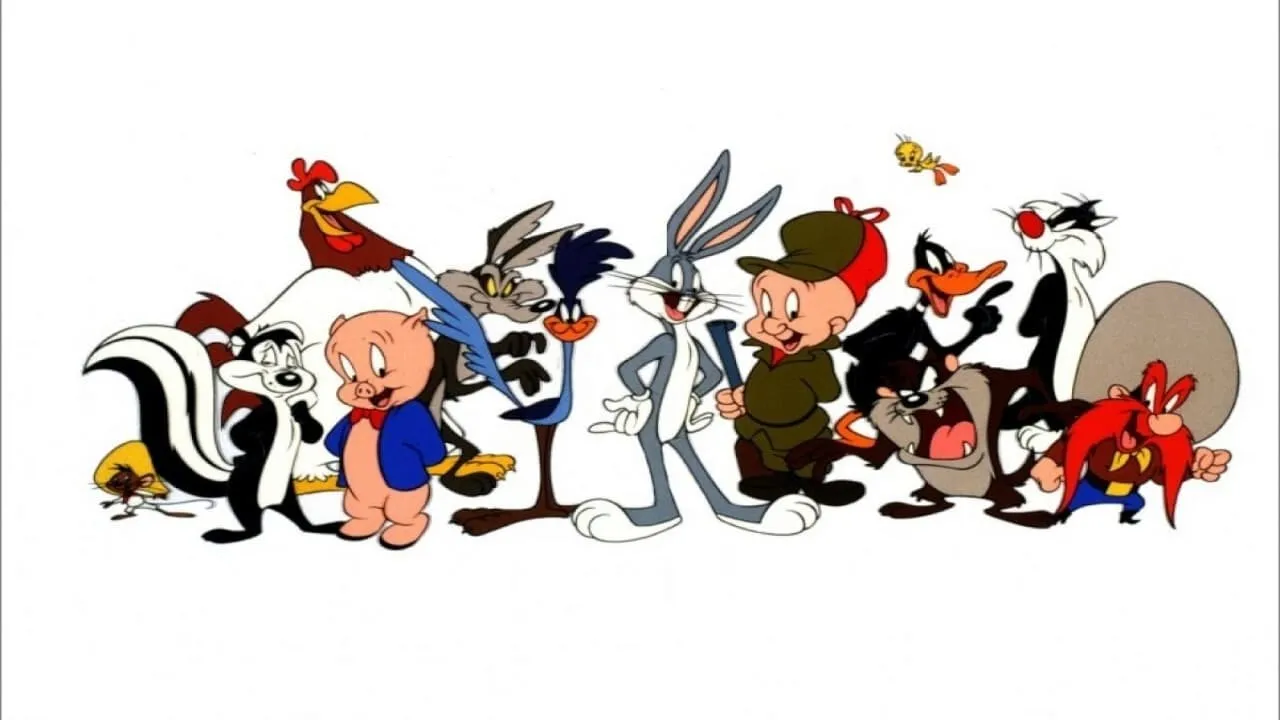
Foghorn Leghorn introduces Miss Prissy, who, Foghorn says, is an old-time actress.
Yosemite Sam wants to be the show emcee this time around, but Bugs chooses Pepe Le Pew instead, much to Sam's chagrin.
Each point is an episode, plotted in order. Colored bands mark season boundaries. Look for the rise, the plateau, or the decline.
High votes + high rating = beloved classic. High votes + low rating = notorious stinker. Low votes + high rating = hidden gem.
One point per season. Smooths out the episode-to-episode noise to reveal the bigger arc.
Did each season build or fizzle? Green means the finale outscored the premiere. Red means the opposite. Longer arrows, bigger swings.
How steady is each season? Tightly clustered dots mean reliable quality. Scattered dots mean a wild ride.
Connection lost