

Wally's worries that little brother Beaver will disrupt the first teen party held at the Cleaver's house are realized when, on the way to the Whitney's house for a sleepover, Beaver takes a dare from Whitey to find out if there re...
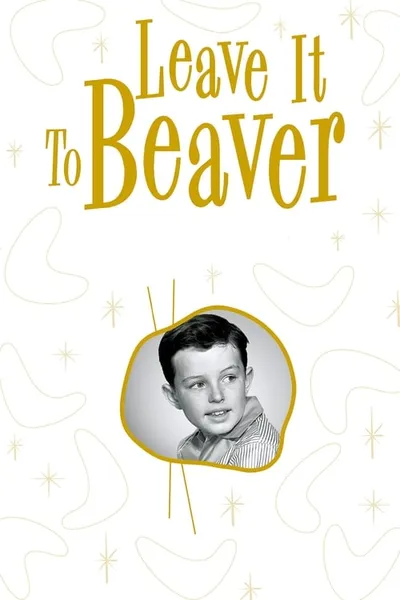
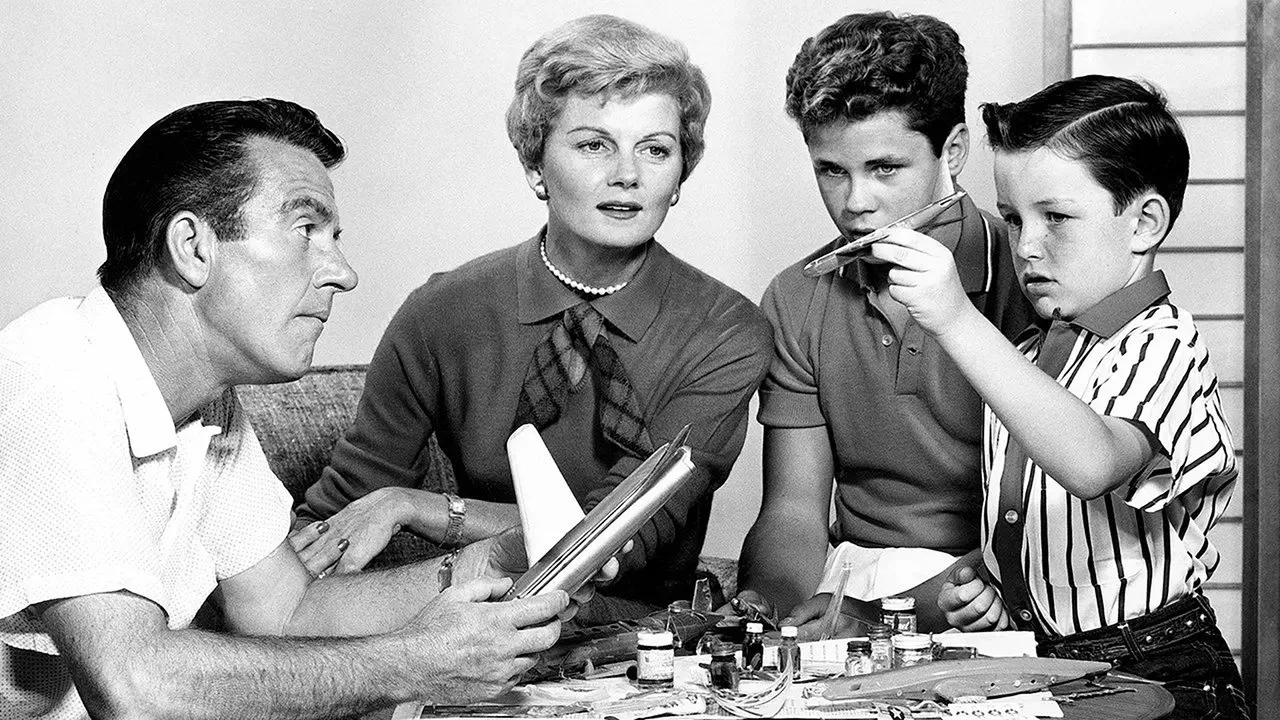
Leave It to Beaver is an American television situation comedy about an inquisitive and often naïve boy named Theodore "The Beaver" Cleaver and his adventures at home, in school, and around his suburban neighborhood. The show also starred Barbara Billingsley and Hugh Beaumont as Beaver's parents, June and Ward Cleaver, and Tony Dow as Beaver's brother Wally. The show has attained an iconic status in the US, with the Cleavers exemplifying the idealized suburban family of the mid-20th century.
The peaks and the valleys. Find the essential episodes — and the ones to skip.
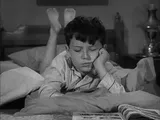
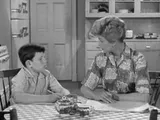
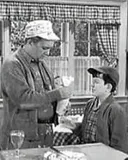
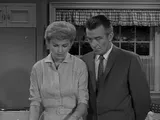
Wally's worries that little brother Beaver will disrupt the first teen party held at the Cleaver's house are realized when, on the way to the Whitney's house for a sleepover, Beaver takes a dare from Whitey to find out if there re...
A package delivered to the Cleaver house from a high-end sports store seems to confirm Ward's suspicions that Wally and Beaver skipped school to buy expensive baseball mitts with piggy bank money they promised to deposit into thei...
Beaver's friends Larry, Whitey and Gilbert climb a tree to secretly spy on their teacher, Miss Landers, when she has dinner at the Cleaver house.
Sulking because June made him do an errand for her instead of letting him help Wally and Eddie install a radio in Eddie's car, Beaver only speaks to her when necessary and starts playing up to his dad.
Each point is an episode, plotted in order. Colored bands mark season boundaries. Look for the rise, the plateau, or the decline.
High votes + high rating = beloved classic. High votes + low rating = notorious stinker. Low votes + high rating = hidden gem.
One point per season. Smooths out the episode-to-episode noise to reveal the bigger arc.
Did each season build or fizzle? Green means the finale outscored the premiere. Red means the opposite. Longer arrows, bigger swings.
How steady is each season? Tightly clustered dots mean reliable quality. Scattered dots mean a wild ride.
Connection lost