
#1
S1E12
The Silence of the Lambs - Who Wins the Scene?
In drama, two characters walk into a room. Each wants something from the other. The question of the scene is: who gets what they want?
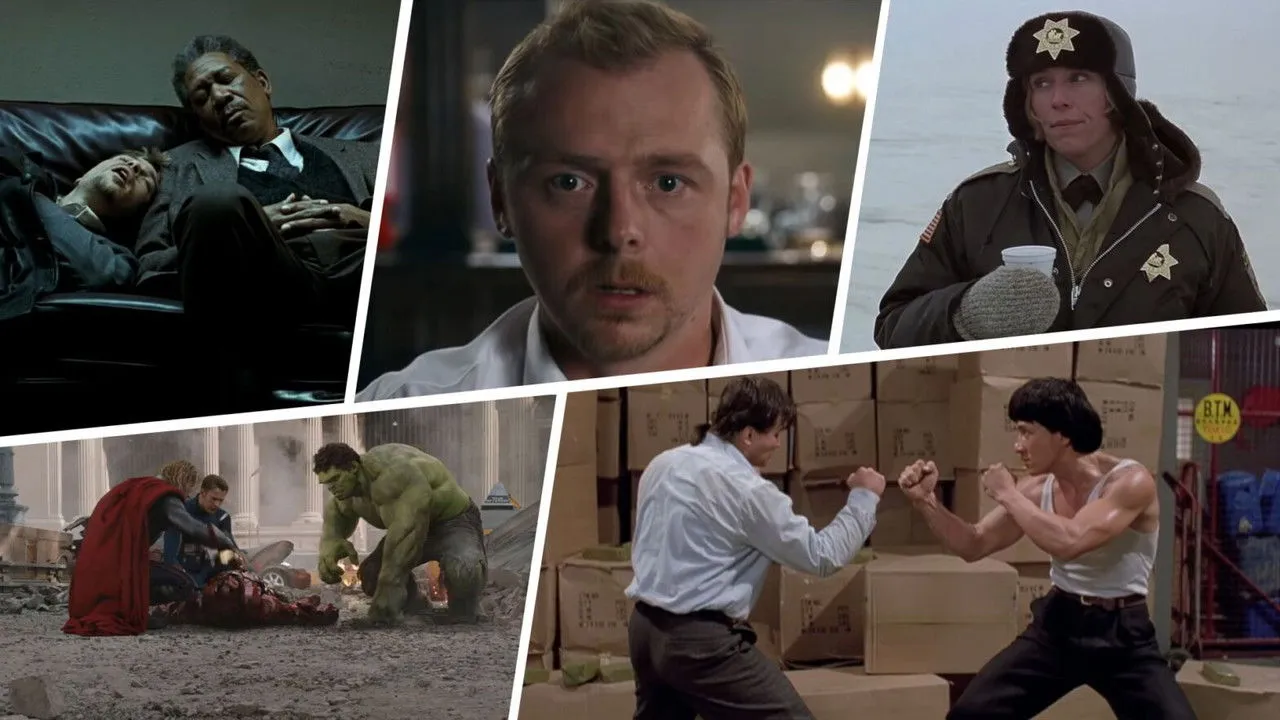
Every Frame a Painting is dedicated to the analysis of film form.

Regional listings, not a guarantee of subscription access.
The peaks and the valleys. Find the essential episodes — and the ones to skip.
In drama, two characters walk into a room. Each wants something from the other. The question of the scene is: who gets what they want?
Before Edgar Wright and Wes Anderson, before Chuck Jones and Jackie Chan, there was Buster Keaton, one of the founding fathers of visual comedy. And nearly 100 years after he first appeared onscreen, we’re still learning from him. Today, i’d like to talk about the artistry (and the thinking) behind his gags.
Four years after his passing, we still haven't quite caught up to Satoshi Kon, one of the great visionaries of modern film. In just four features and one TV series, he developed a unique style of editing that distorted and warped space and time. Join me in honoring the greatest Japanese animator not named Miyazaki.
One of the great things about detailed production design is that it pays off in unexpected ways. So today I explore the weird possibilities of that most common of objects: the chair.
Each point is an episode, plotted in order. Colored bands mark season boundaries. Look for the rise, the plateau, or the decline.
High votes + high rating = beloved classic. High votes + low rating = notorious stinker. Low votes + high rating = hidden gem.
One point per season. Smooths out the episode-to-episode noise to reveal the bigger arc.
Did each season build or fizzle? Green means the finale outscored the premiere. Red means the opposite. Longer arrows, bigger swings.
How steady is each season? Tightly clustered dots mean reliable quality. Scattered dots mean a wild ride.
Connection lost