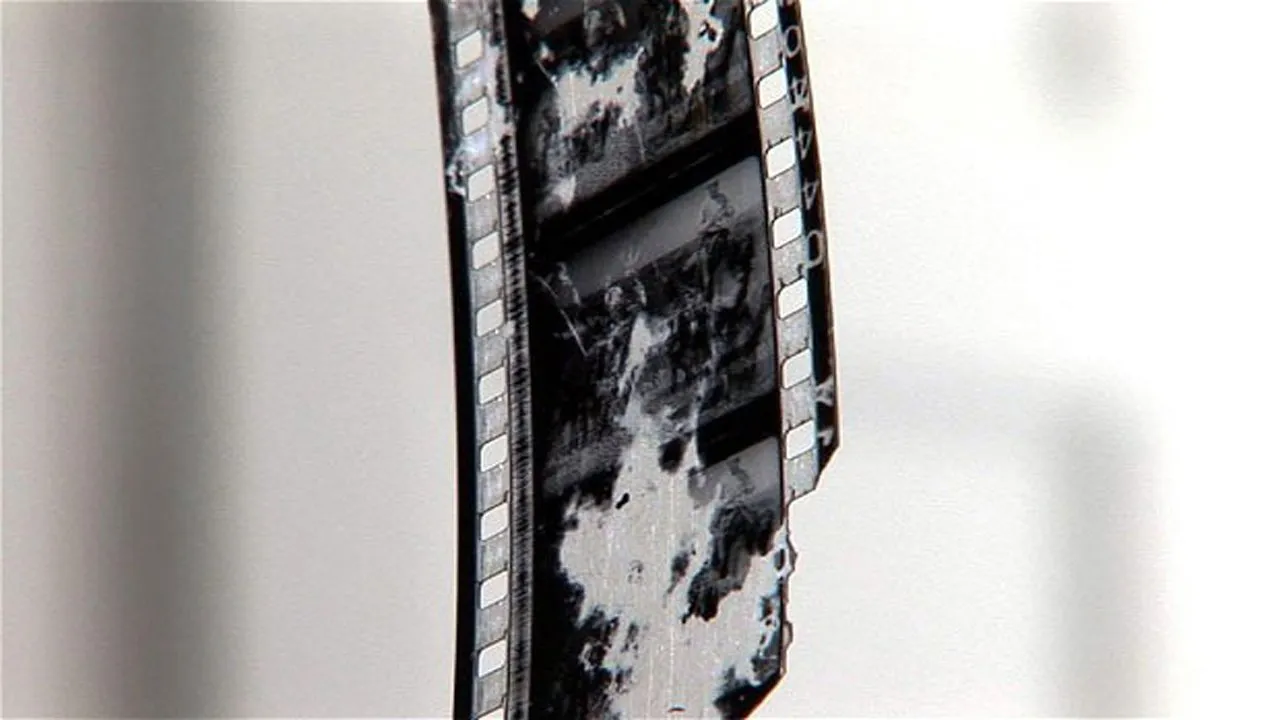



Mark Cousins tells the story of cinema, starting in this episode with the birth of the movies, telling the glamorous, surprising stories of early moviemaking and the first film stars.
A worldwide guided tour of the greatest movies ever made and the story of international cinema through the history of cinematic innovation.
The peaks and the valleys. Find the essential episodes — and the ones to skip.
Mark Cousins tells the story of cinema, starting in this episode with the birth of the movies, telling the glamorous, surprising stories of early moviemaking and the first film stars.
The 1920s were a golden age for world cinema. The programme visits Paris, Berlin, Moscow, Shanghai and Tokyo to explore the places where movie makers were pushing the boundaries of the medium. German expressionism, Soviet montage and French impressionism and surrealism were passionate new film movements, but less well known are the glories of Chinese and Japanese films and the moving story of one of the great, now largely forgotten, movie stars, Ruan Lingyu.
The coming of sound in the 1930s upends everything. We watch the birth of new types of film: screwball comedies, gangster pictures, horror films, westerns and musicals, and discover a master of most of them, Howard Hawks. Alfred Hitchcock hits his stride and French directors become masters of mood.
The movies that tried to change the world in the seventies: Wim Wenders in Germany; Ken Loach and Britain; Pasolini in Italy; the birth of new Australian cinema; and then Japan, which was making the most moving films in the world. Even bigger, bolder questions about film were being asked in Africa and South America, and the story ends with John Lennon’s favourite film, the extraordinary, psychedelic The Holy Mountain.
Each point is an episode, plotted in order. Colored bands mark season boundaries. Look for the rise, the plateau, or the decline.
High votes + high rating = beloved classic. High votes + low rating = notorious stinker. Low votes + high rating = hidden gem.
Connection lost