





Bill Bixby places a guy who like to follow the police scanner. He wants to be a cop, but cannot hack it, and ends up taking the law into his own hands. And a good cop gets blamed.
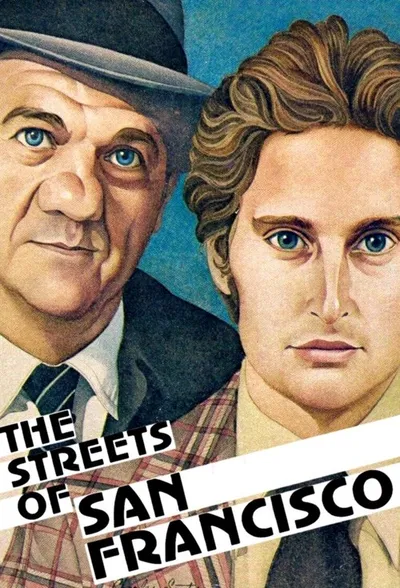
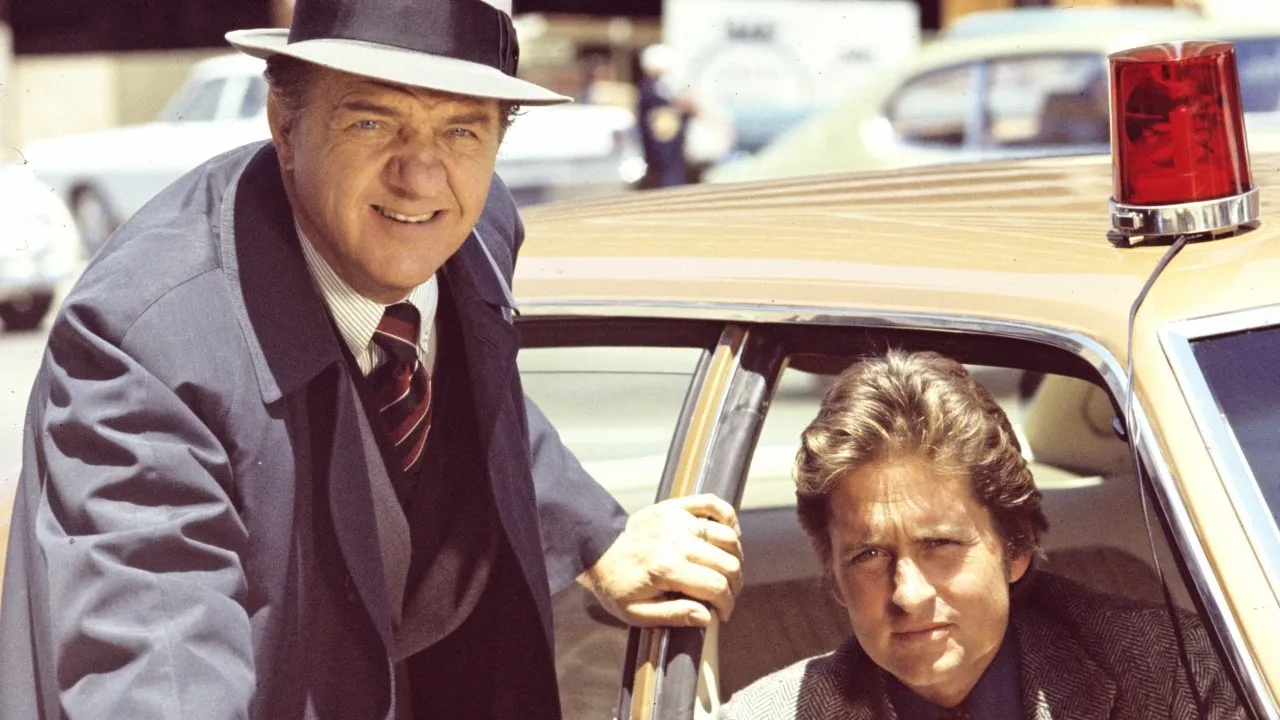
Two police officers, the older Lt. Stone and the young upstart Inspector Keller, investigate murders and other serious crimes in San Francisco. Stone would become a second father to Keller as he learned the rigors and procedures of detective work.
The peaks and the valleys. Find the essential episodes — and the ones to skip.
Bill Bixby places a guy who like to follow the police scanner. He wants to be a cop, but cannot hack it, and ends up taking the law into his own hands. And a good cop gets blamed.
After being shot by robbers who were holding up a store, a young police officer is treated by a doctor who was on the scene. Unfortunately, the officer later dies, and the doctor becomes the only one who can identify the robbers. But when Stone and Keller try to call him, they find that he had to be using a phony name. The man has been practicing using the name of several different doctors.
After receiving crank calls, a paranoid man fences in his home and keeps his wife and daughter sheltered. When he panics and shoots a cop who was guarding the house he covers by identifying an ex con. The paranoia now becomes real.
Each point is an episode, plotted in order. Colored bands mark season boundaries. Look for the rise, the plateau, or the decline.
High votes + high rating = beloved classic. High votes + low rating = notorious stinker. Low votes + high rating = hidden gem.
One point per season. Smooths out the episode-to-episode noise to reveal the bigger arc.
Did each season build or fizzle? Green means the finale outscored the premiere. Red means the opposite. Longer arrows, bigger swings.
How steady is each season? Tightly clustered dots mean reliable quality. Scattered dots mean a wild ride.
Connection lost