#1
S6E130
130B
Featuring: Luis Avalos, Jim Boyd, Morgan Freeman, Judy Graubart.
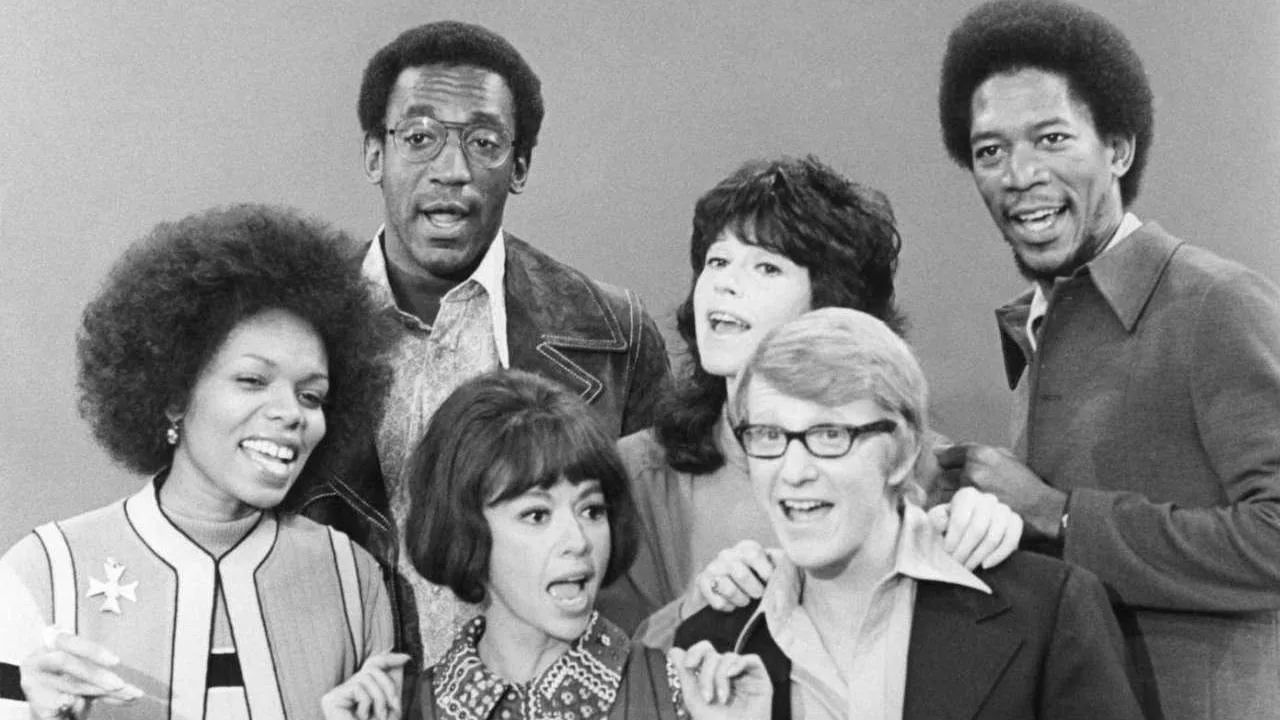
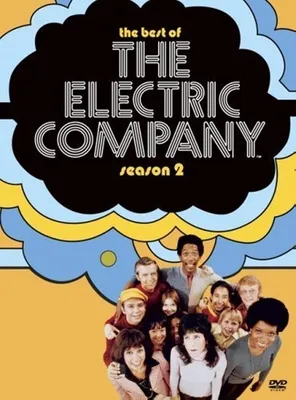
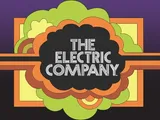
The Electric Company is an educational American children's television series that was produced by the Children's Television Workshop for PBS in the United States. PBS broadcast 780 episodes over the course of its six seasons from October 25, 1971 to April 15, 1977. After it ceased production that year, the program continued in reruns from 1977 to 1985, the result of a decision made in 1975 to produce two final seasons for perpetual use. CTW produced the show at Teletape Studios Second Stage in Manhattan, the first home of Sesame Street. The Electric Company employed sketch comedy and other devices to provide an entertaining program to help elementary school children develop their grammar and reading skills. It was intended for children who had graduated from CTW's flagship program, Sesame Street. Appropriately, the humor was more mature than what was seen there.

Regional listings, not a guarantee of subscription access.
The peaks and the valleys. Find the essential episodes — and the ones to skip.
Featuring: Luis Avalos, Jim Boyd, Morgan Freeman, Judy Graubart.
The third episode of The Electric Company starts out with the short vowel U as Morgan Freeman and assistant Stephen Gustafson spell out three words containing a U in the middle - fun, bun, and but. Rita Moreno then chimes in with four more - bus, bug, tug, and tub, all four of which she writes on a bus stop sign. She later sings the song "Unbutton Your Heart", a lovelorn rock song filled with "un" words like "unkind" and "unzip". Skip Hinnant's character Norman Neat, Man on the Street makes his very first appearance (his first four, in fact!) interviewing passersby about their favorite words. Another first: John and Faith Hubley's cartoon "True Blue Sue" makes its debut to introduce the topic UE to the show. Freeman shows up with another UE word: "glue", in big white letters which he glues to the wall. But perhaps he was a little careless with the glue - he winds up with his hands stuck to his workbench! Next, Freeman and Hinnant don sweaters with letters and recite a short poem about the letters Q and U. The QU sound returns in a game show setting - Wild Guess, featuring announcer Ken Kane (Bill Cosby) and host Bess West (Rita Moreno). Following that is more of the letter U, albeit its long sound, found in words like "dude" and "cute". You'll hear plenty of those kinds of words in the song "An E on the End", which introduces The Electric Company to one of its most popular topics - Silent E. While Tom Lehrer's famous song doesn't show up in this episode, two other famous animations do - one sees the Blond-Haired Cartoon Man (voiced by Mel Brooks) perform his "I am Cute Very" routine ("Who's the dummy writing this show?") and the other tells the story of a talking dog named Spot. Scanimate words include "pup" and "quake" and the last word is "quiet".
Each point is an episode, plotted in order. Colored bands mark season boundaries. Look for the rise, the plateau, or the decline.
High votes + high rating = beloved classic. High votes + low rating = notorious stinker. Low votes + high rating = hidden gem.
One point per season. Smooths out the episode-to-episode noise to reveal the bigger arc.
Did each season build or fizzle? Green means the finale outscored the premiere. Red means the opposite. Longer arrows, bigger swings.
How steady is each season? Tightly clustered dots mean reliable quality. Scattered dots mean a wild ride.
Connection lost