
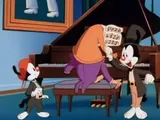
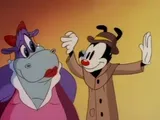
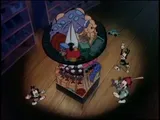
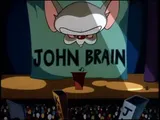
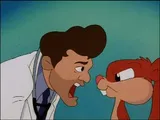
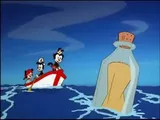
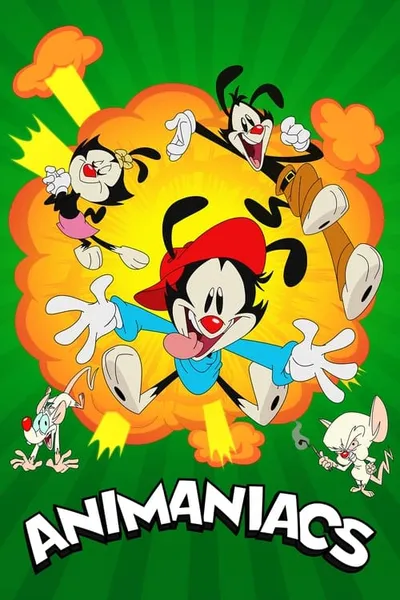
First, in "Video Review," the Warners run amok in a video store late at night. Then, in another effort to overthrow the world, Pinky and The Brain use H.G. Wells' time machine to create an era "When Mice Ruled the Earth."
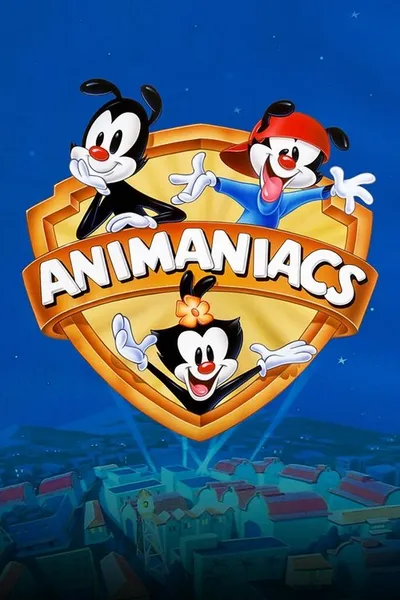
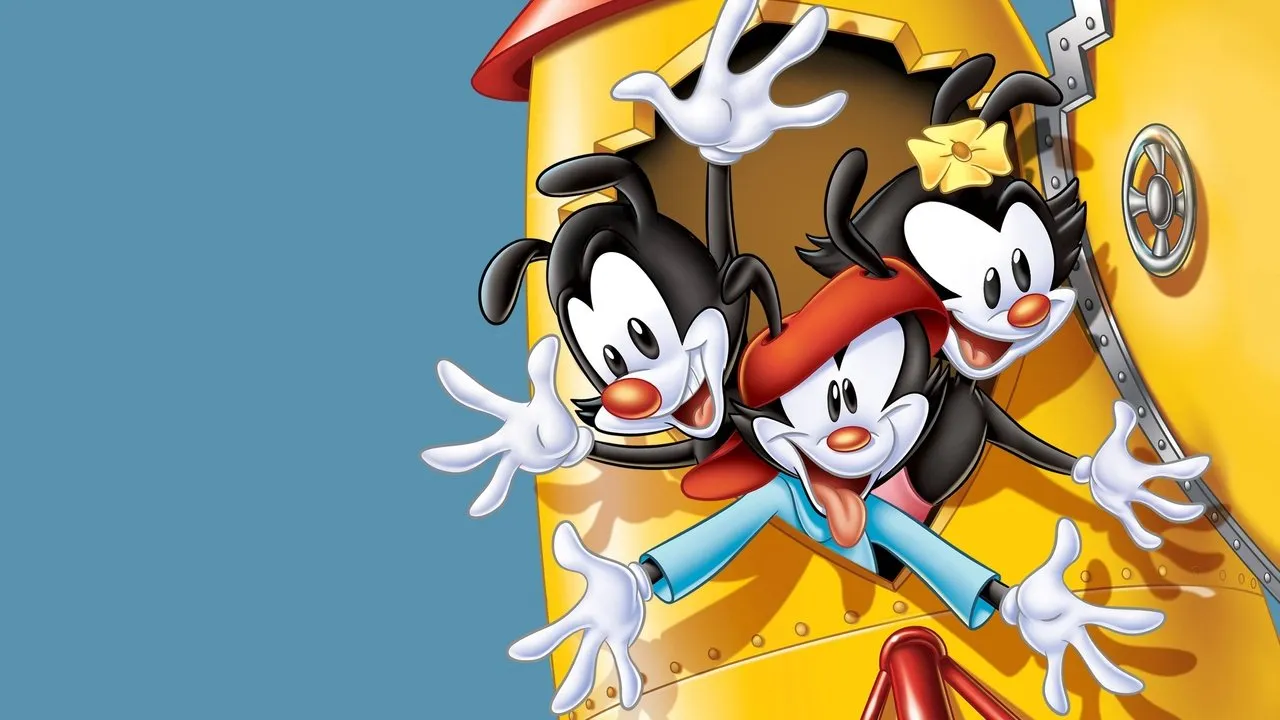
The two Warner Brothers Yakko and Wakko and their Warner sister Dot had been (supposedly) created in the 1930's, but their cartoons were too screwy for the general public to handle. The three Warners were locked up in the studio water tower until they escaped in the 90's. There, they run wild, causing chaos everywhere!
The peaks and the valleys. Find the essential episodes — and the ones to skip.
First, in "Video Review," the Warners run amok in a video store late at night. Then, in another effort to overthrow the world, Pinky and The Brain use H.G. Wells' time machine to create an era "When Mice Ruled the Earth."
In "Ragamuffins," a black-and-white, 1930s-style cartoon, the Warners go to work, and create havoc, at a bakery. Then, Slappy and Skippy Squirrel attend the landmark rock concert of 1969 in "Woodstock Slappy."
In "Can't Buy A Thrill," Flavio and Marita decide to seek thrilling adventures, much to the horror of Gina Embryo. Then, a naive Kansas woodchuck who desires to become a "Hollywoodchuck" travels to Hollywood to seek fame and fortune.
Each point is an episode, plotted in order. Colored bands mark season boundaries. Look for the rise, the plateau, or the decline.
High votes + high rating = beloved classic. High votes + low rating = notorious stinker. Low votes + high rating = hidden gem.
One point per season. Smooths out the episode-to-episode noise to reveal the bigger arc.
Did each season build or fizzle? Green means the finale outscored the premiere. Red means the opposite. Longer arrows, bigger swings.
How steady is each season? Tightly clustered dots mean reliable quality. Scattered dots mean a wild ride.
Connection lost