
#1
S3E9
Television
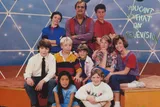
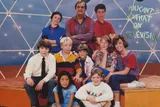
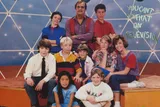
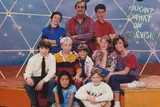
Christine shares the chaos, romance, water, support, terminology and slime that go into, around and about the production of their TV show.
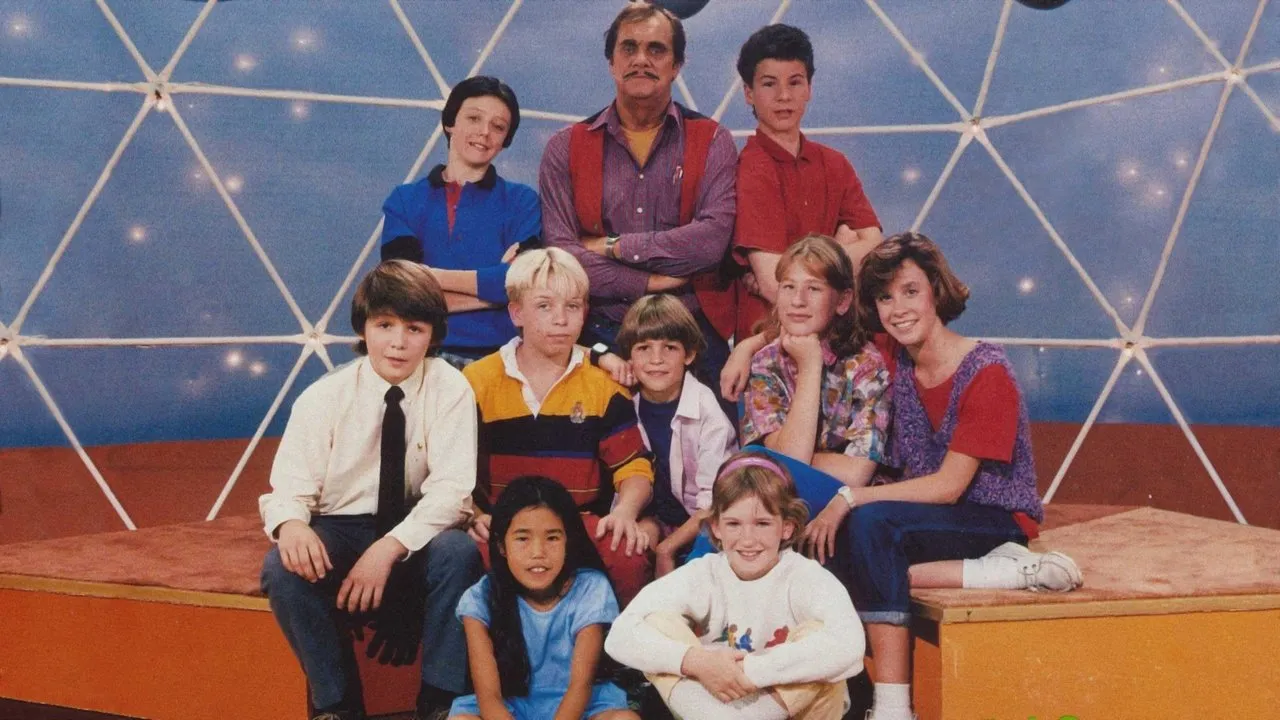
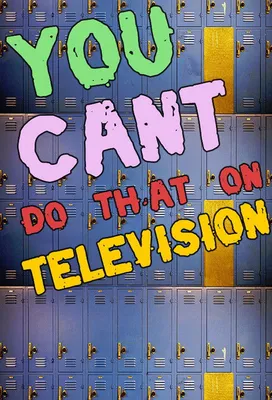
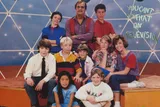
You Can't Do That on Television is a Canadian television program that first aired locally in 1979 before airing internationally in 1981. It featured pre-teen and teenaged actors in a sketch comedy format. Each episode had a theme. The show was notable for launching the careers of many performers, including Alanis Morissette, and writer Bill Prady, who would write and produce shows like The Big Bang Theory, Gilmore Girls and Dharma and Greg. The show was produced by and aired on Ottawa's CTV station CJOH-TV. After production ended in 1990, the show continued in reruns on Nickelodeon through 1994, when it was replaced with the similar All That. The show is synonymous with Nick, and was at that time extremely popular, with the highest ratings overall on the channel. The show is also well known for introducing the network's iconic slime. The program is the subject of the 2004 feature-length documentary, You Can't Do That on Film, directed by David Dillehunt.

Regional listings, not a guarantee of subscription access.
The peaks and the valleys. Find the essential episodes — and the ones to skip.
Christine shares the chaos, romance, water, support, terminology and slime that go into, around and about the production of their TV show.
The show targets television and newspaper medias, mainly for their deceptiveness in advertising. Living the example, the show calls itself "new and improved" but admits having little to show for it.
As the gang tackles the world of classical music, Christine struggles to play the cello like a violin, figuring they look the same so they should be played the same. Invariably, it all goes to prove that music for some is noise to others.
Each point is an episode, plotted in order. Colored bands mark season boundaries. Look for the rise, the plateau, or the decline.
High votes + high rating = beloved classic. High votes + low rating = notorious stinker. Low votes + high rating = hidden gem.
One point per season. Smooths out the episode-to-episode noise to reveal the bigger arc.
Did each season build or fizzle? Green means the finale outscored the premiere. Red means the opposite. Longer arrows, bigger swings.
How steady is each season? Tightly clustered dots mean reliable quality. Scattered dots mean a wild ride.
Connection lost