




#1
S21E8
The Rising Tides
As temperatures reach deadly numbers in the Arctic, Alaskans push through the deep cold to increase their odds of survival in the late winter months.
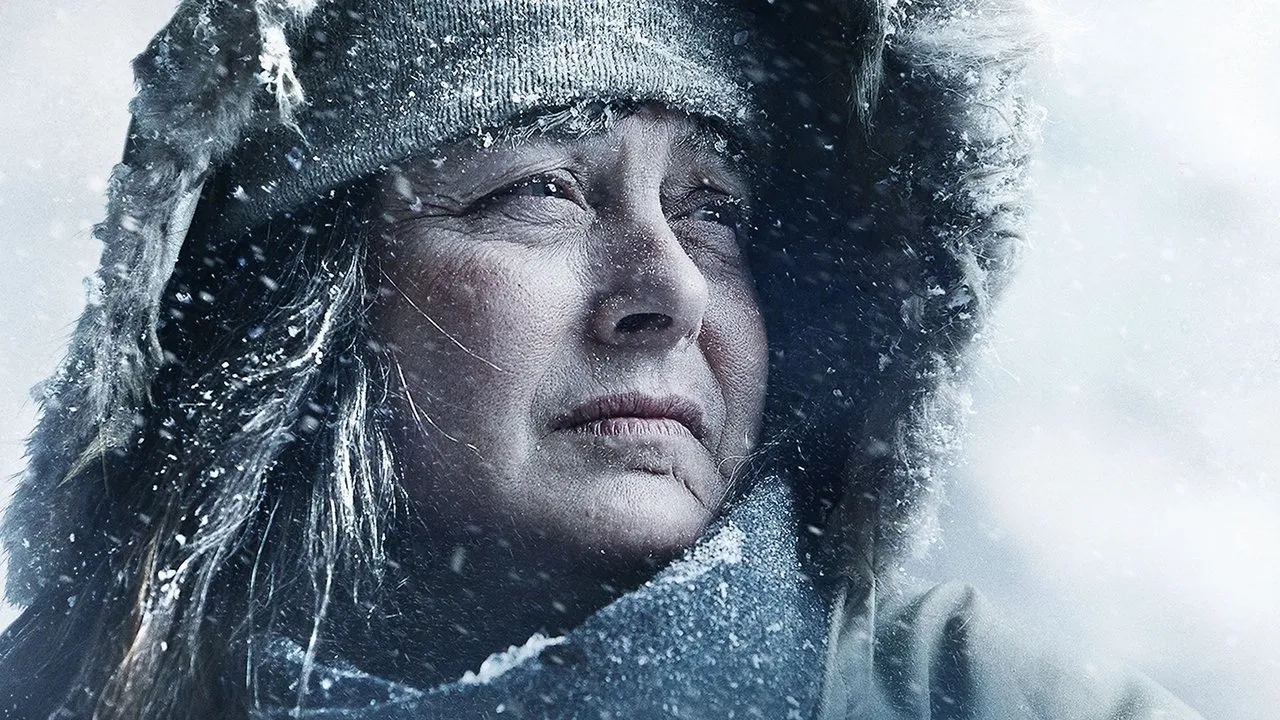
Viewers go deep into an Alaskan winter to meet six tough and resilient residents as they try to stay one step ahead of storms and man-eating beasts to make it through to spring. The closest neighbor to Sue Aikens is more than 300 miles away. Eric Salitan subsists solely on what he hunts and forages. Chip and Agnes Hailstone catch fish for currency in bartering for supplies, and Andy and Kate Bassich use their pack of sled dogs for transportation.

Regional listings, not a guarantee of subscription access.
The peaks and the valleys. Find the essential episodes — and the ones to skip.
As temperatures reach deadly numbers in the Arctic, Alaskans push through the deep cold to increase their odds of survival in the late winter months.
Alaskans must rely on solid foundations to persist through Dark Winter.
Alaskans contend with the throes of the warm season in the Arctic.
Sue Aikens has chosen to carve out a life of perilous isolation in the remote artic tundra, overcoming constant challenges to thrive at Kavik River Camp, a remote refueling station on the North Slope of Alaska. Sue reveals her journey to Kavik, starting from a rough childhood and tracing through three marriages and numerous ups and downs, and she shares what it is that draws her to a life of solitude.
Each point is an episode, plotted in order. Colored bands mark season boundaries. Look for the rise, the plateau, or the decline.
High votes + high rating = beloved classic. High votes + low rating = notorious stinker. Low votes + high rating = hidden gem.
One point per season. Smooths out the episode-to-episode noise to reveal the bigger arc.
Did each season build or fizzle? Green means the finale outscored the premiere. Red means the opposite. Longer arrows, bigger swings.
How steady is each season? Tightly clustered dots mean reliable quality. Scattered dots mean a wild ride.
Connection lost