






#1
S2E9
Round 24
Akira and Haruo face off in the tournament's final round. Months later, Haruo hasn't recovered and Akira's departure nears. Then Makoto comes to visit.
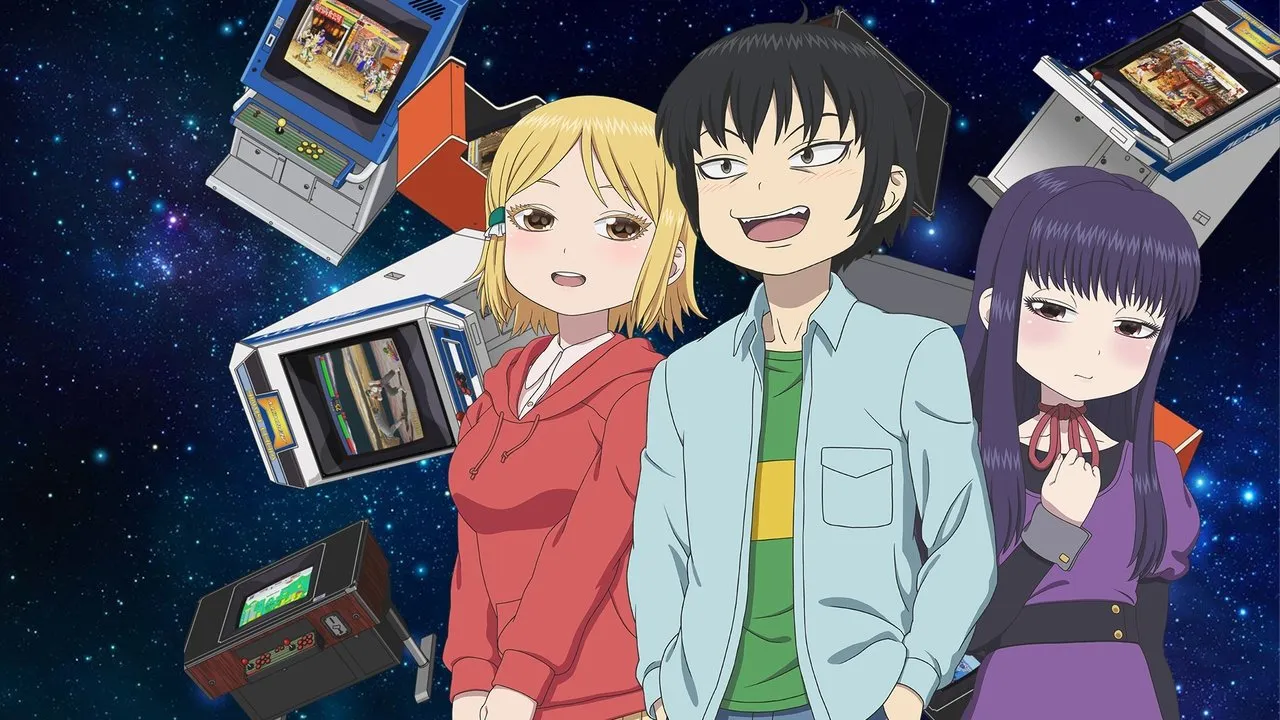
The year is 1991 and 6th grader Yaguchi Haruo only has video games to live for. He's not popular in school and he's neither handsome, funny, nice nor even friendly. The only thing he has going for him is that he is good at video games. One day at the local arcade, he plays Oono Akira, a fellow classmate but who's popular, smart, pretty and a rich girl that absolutely destroys him at Street Fighter II. Not only does he lose to her 30 times in a row, he can’t beat her at any game. Haruo can’t seem to shake Akira off as she follows him from arcade to arcade everyday after school and beats him every time. As weird as it sounds, the odd couple begins a strange bond and friendship.

Regional listings, not a guarantee of subscription access.
The peaks and the valleys. Find the essential episodes — and the ones to skip.
Akira and Haruo face off in the tournament's final round. Months later, Haruo hasn't recovered and Akira's departure nears. Then Makoto comes to visit.
Stranded out late with Akira, Haruo asks his mother to help him find a place to stay. Hidaka visits Haruo's house to lend him her Playstation console.
Akira's big sister Makoto reaches out to Haruo, first giving him a dating simulation game, then asking him to create an RPG game just for Akira.
A boy discovers that the genius girl of his classroom is also a genius at video arcade games.
Each point is an episode, plotted in order. Colored bands mark season boundaries. Look for the rise, the plateau, or the decline.
High votes + high rating = beloved classic. High votes + low rating = notorious stinker. Low votes + high rating = hidden gem.
Did each season build or fizzle? Green means the finale outscored the premiere. Red means the opposite. Longer arrows, bigger swings.
How steady is each season? Tightly clustered dots mean reliable quality. Scattered dots mean a wild ride.
Connection lost