




#1
S3E6
German Week
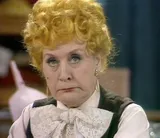
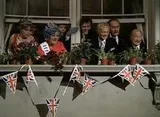
Ordered to cooperate in the store's German themed week, the Grace Brothers' staff try to find a way to get into the Teutonic spirit.
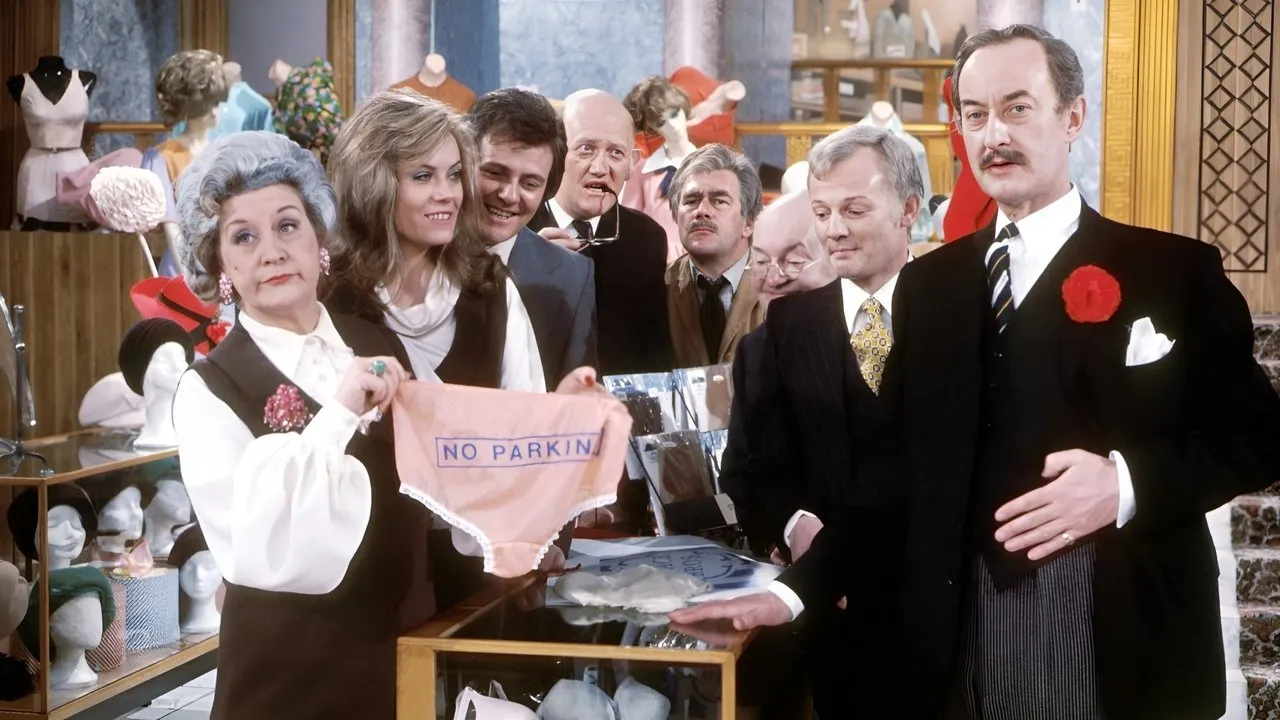
This comedy series, which follows the exploits of employees at London's fictional "Grace Brothers" department store, is full of sexual innuendo, slapstick, visual gags, and double entendres. Much of the show's humor parodies Britain's class system, and many of the show's characters are based on stereotypes of the period, including the effeminate Mr. Humphries and the rich, but stingy, store owner.

Regional listings, not a guarantee of subscription access.
The peaks and the valleys. Find the essential episodes — and the ones to skip.
Ordered to cooperate in the store's German themed week, the Grace Brothers' staff try to find a way to get into the Teutonic spirit.
Transport strikes leave the staff of Grace Brothers trapped overnight in the store. What at first seems to be a nightmare soon proves to be a chance for everyone to share in each other's companionship.
If appearances are to be believed, Captain Peacock may have had an affair with Mr. Rumbold's pretty young secretary - an engaged secretary, no less - but do people have the wrong idea about what happened?
After catching a shellfish-related illness, the Grace Brothers staff are quarantined by Mr. Harmond. Meanwhile young assistant Mr. Spooner replaces Mr. Lucas, and Mr. Grossman replaces Mr. Goldberg, leading to new workplace antics.
Each point is an episode, plotted in order. Colored bands mark season boundaries. Look for the rise, the plateau, or the decline.
High votes + high rating = beloved classic. High votes + low rating = notorious stinker. Low votes + high rating = hidden gem.
One point per season. Smooths out the episode-to-episode noise to reveal the bigger arc.
Did each season build or fizzle? Green means the finale outscored the premiere. Red means the opposite. Longer arrows, bigger swings.
How steady is each season? Tightly clustered dots mean reliable quality. Scattered dots mean a wild ride.
Connection lost